Certification
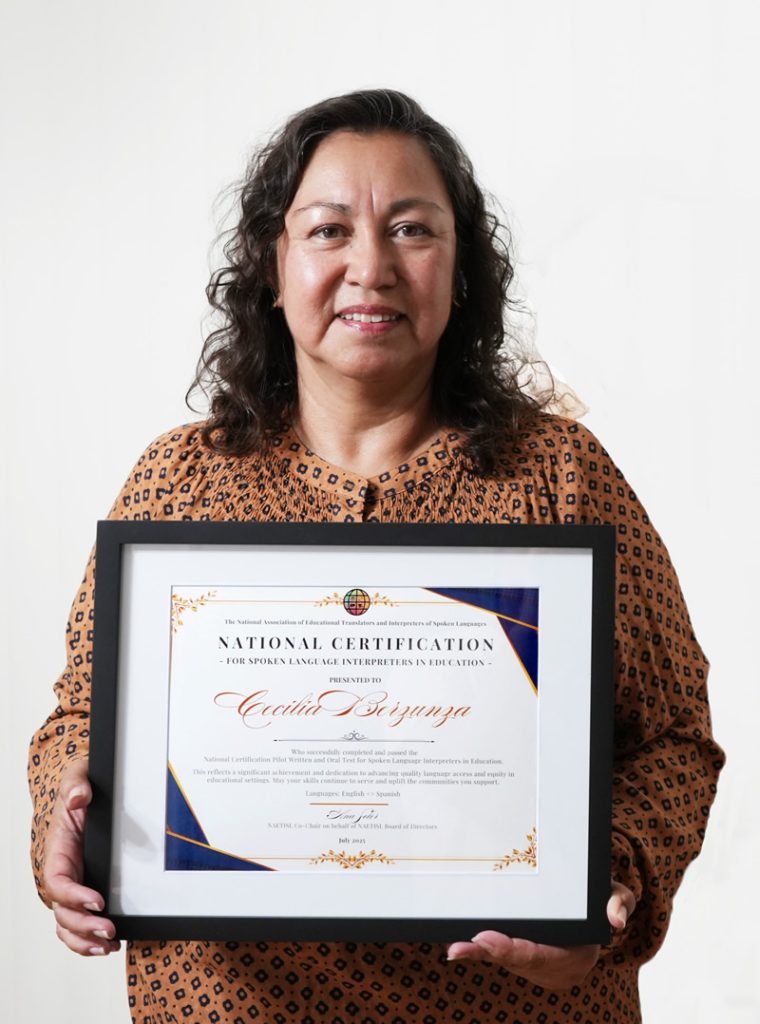
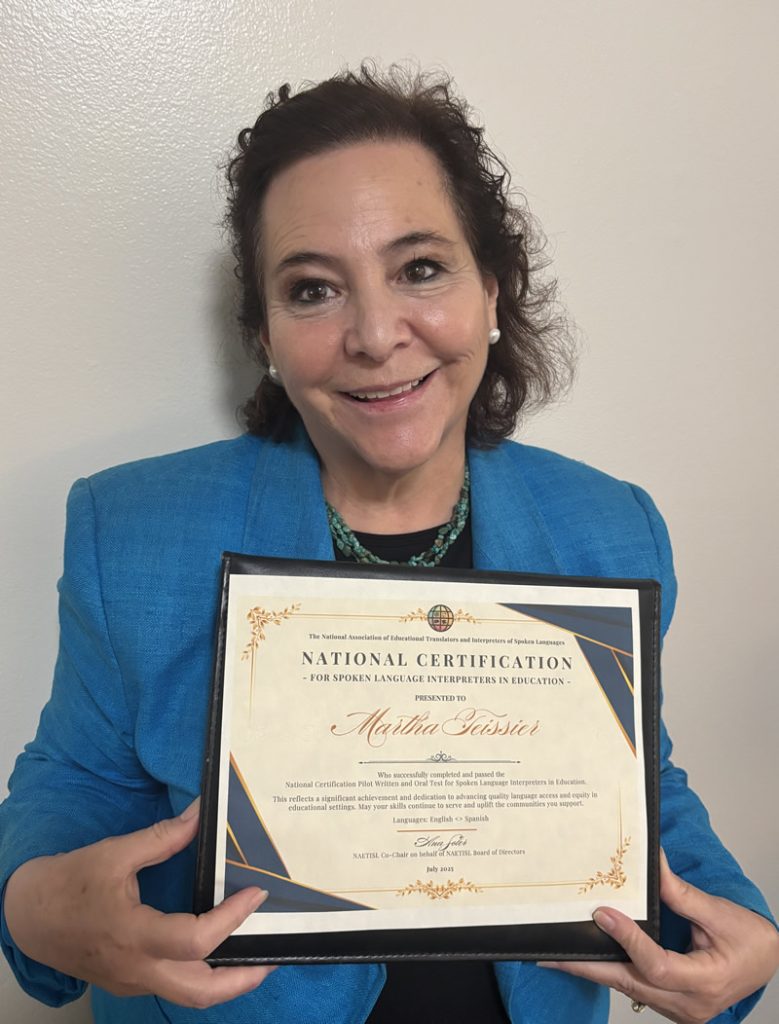
National Certification
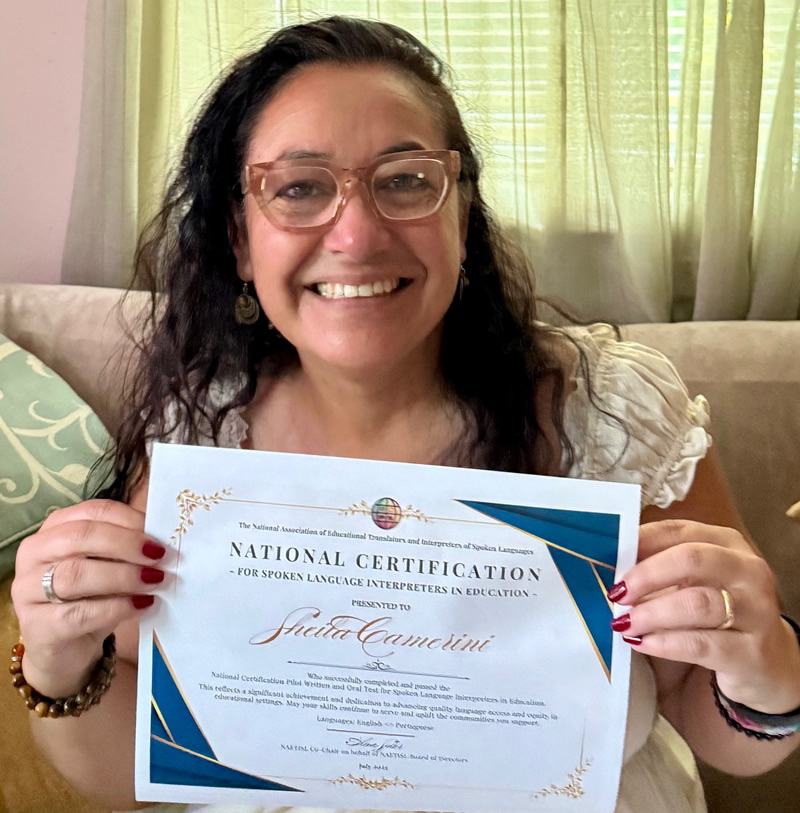
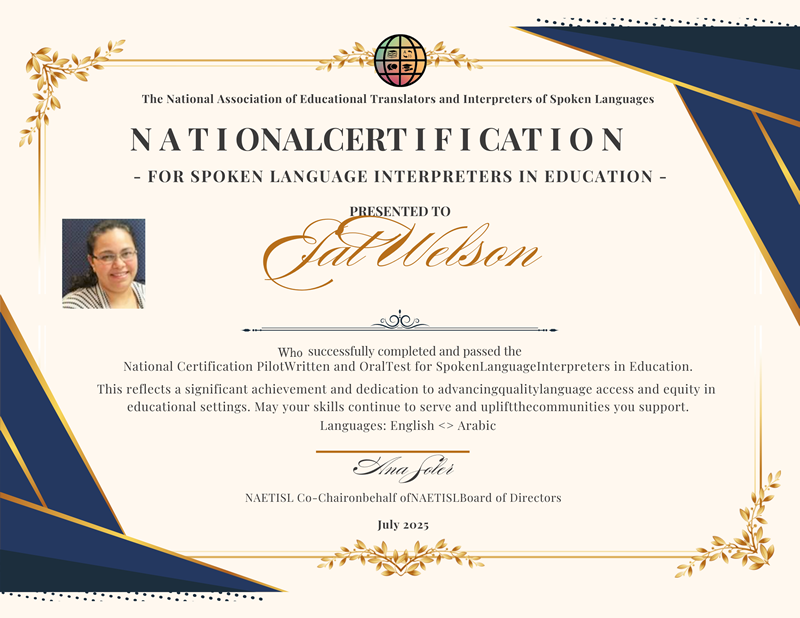
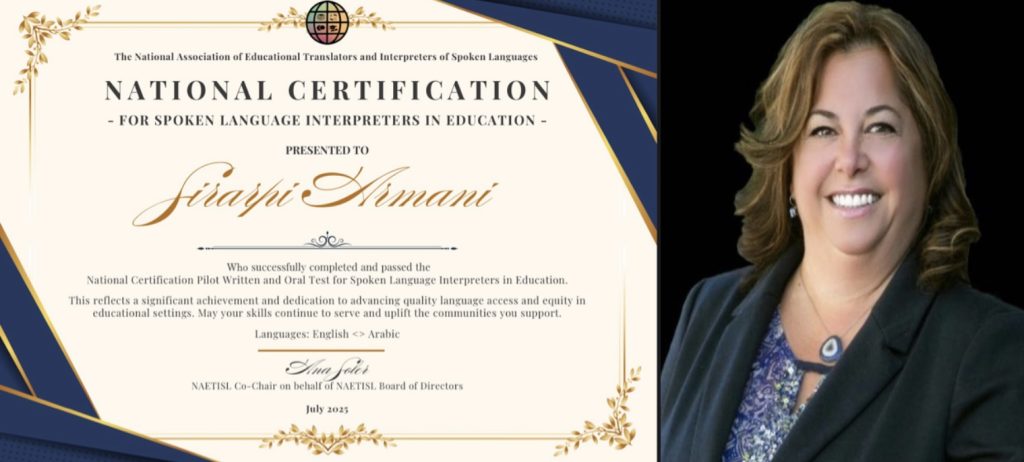
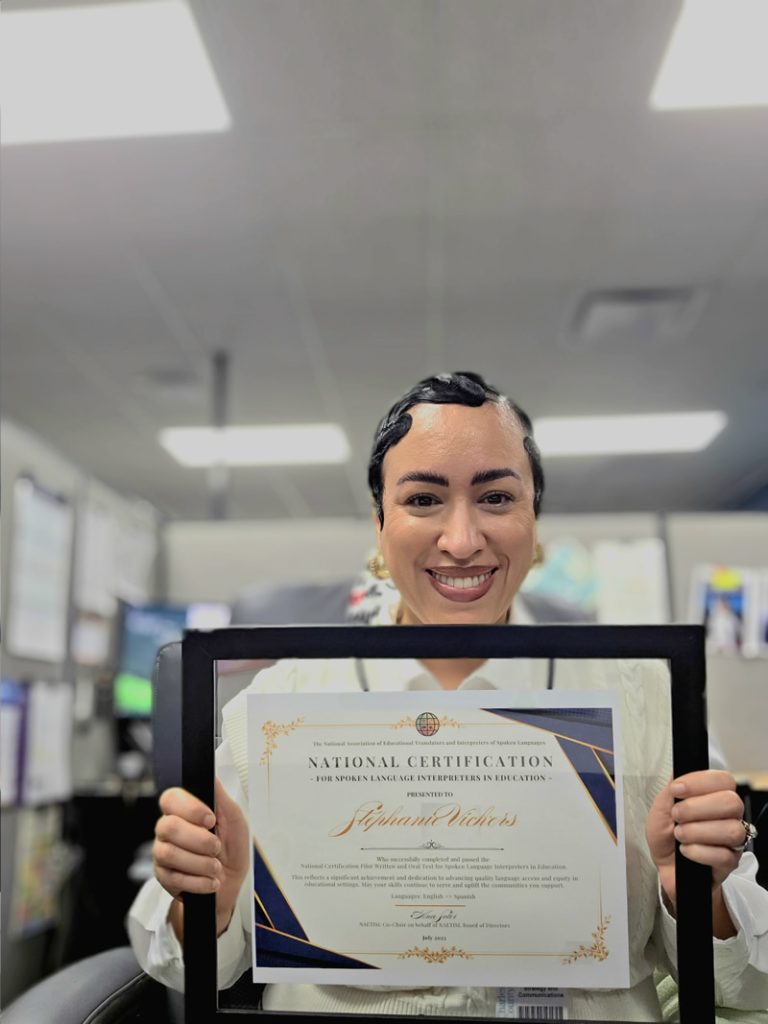
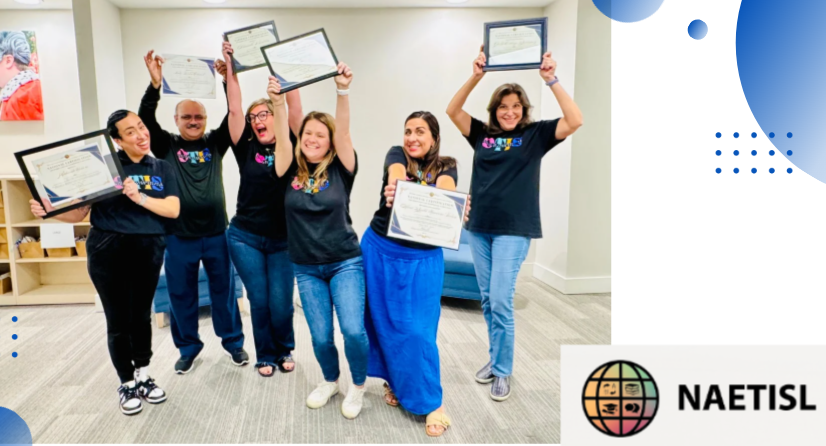
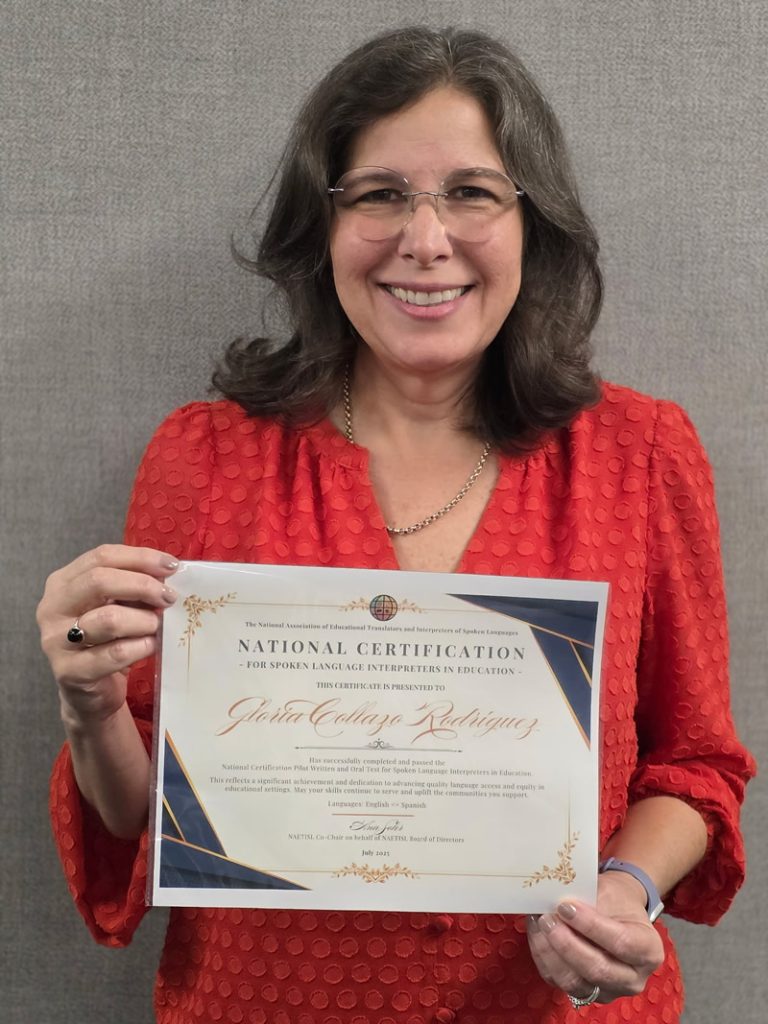
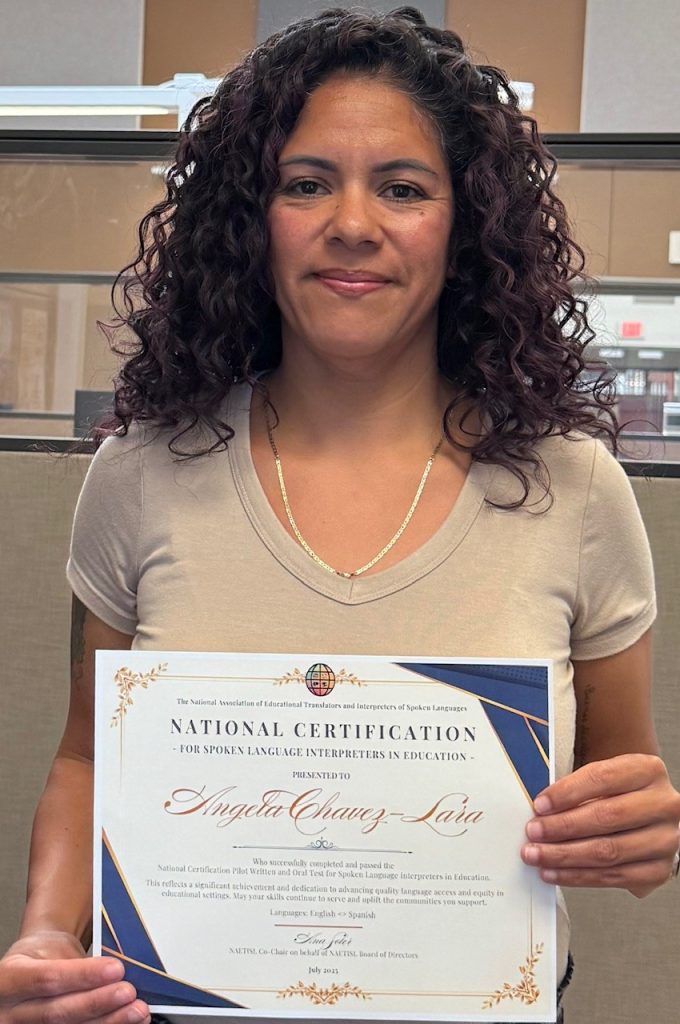
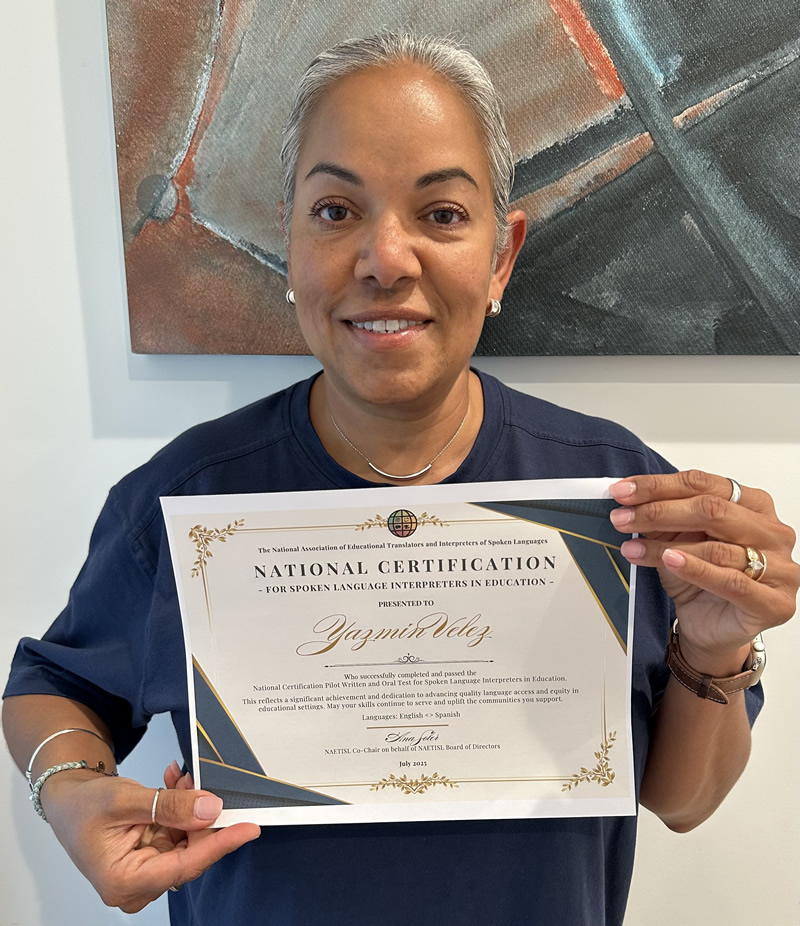
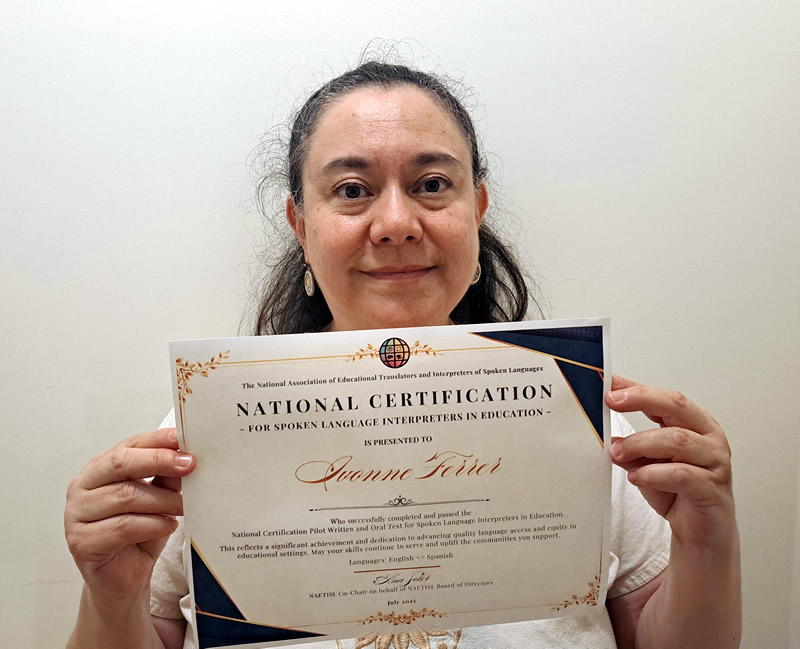
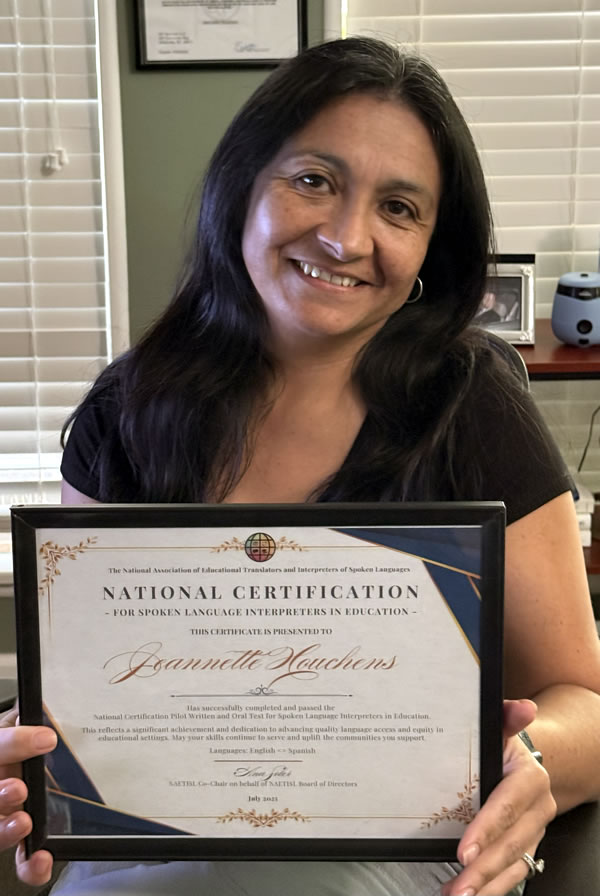
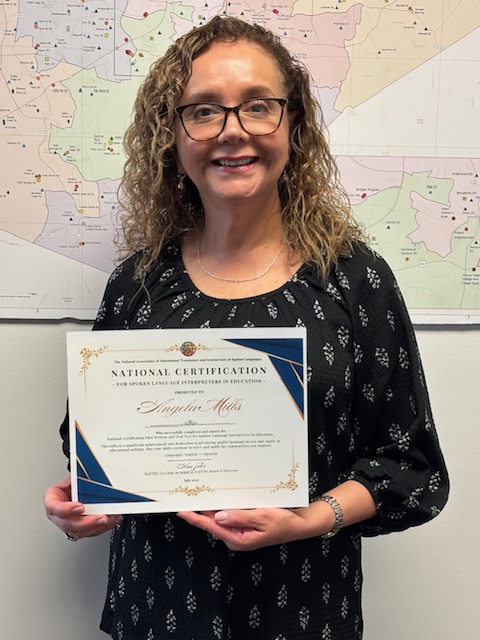
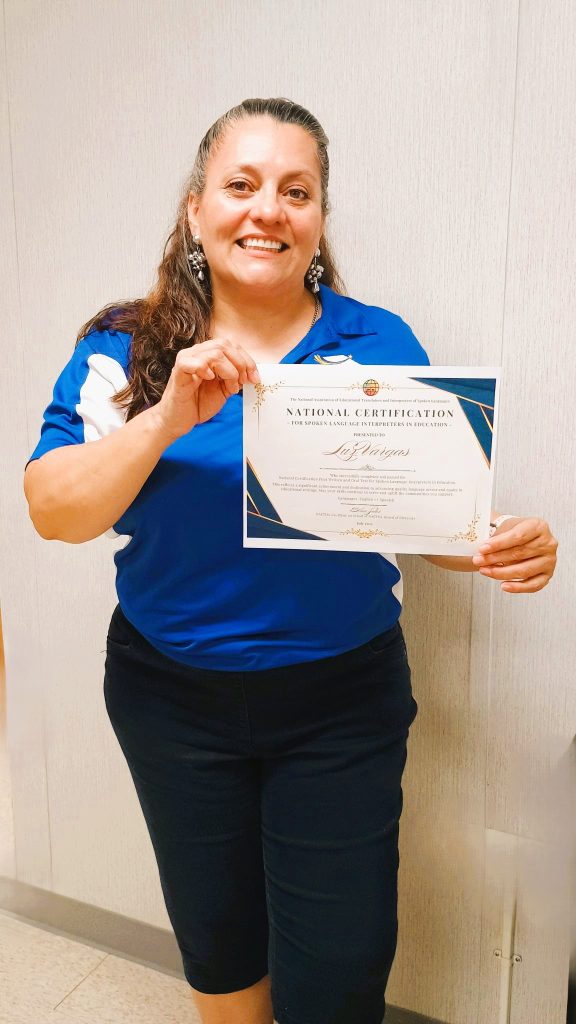
The National Certification for Educational Interpreters of Spoken Languages (NCEISL) provides a vehicle for interpreters who work in school programs to demonstrate their competency. Just like Sign Language, Legal, and Medical interpreters, individuals working in early childhood and K-12 settings will be able to demonstrate they meet national standards through a rigorous testing process that assesses knowledge and skill in the field. Our goal is for individual interpreters to pursue this credential as a sign of distinction and for states and school districts to require national certification of educational interpreters to ensure quality communication between school staff and families.
Specifically, the purpose of NCEISL is to:
- Establish a mechanism to determine whether a candidate has the necessary, basic, entry-level skills and knowledge to function competently according to the nationally vetted standards and ethical practice of the profession.
- Provide those who collaborate with interpreters in education with a standard of quality they can expect from candidates who complete the NCEISL.
The Process
In 2020, NAETISL embarked on the journey to create the first national certification for educational interpreters in the United States. The process started with the validation of our Code of Ethics through focus groups and surveys with stakeholders nationwide. We continue to be grateful to the Minnesota Department of Education and the National Code of Ethics for Interpreters in Healthcare for providing us with a framework for a code of ethics that we then adapted for educational settings and used in the development of the exam.
The next step in the process was to conduct a job task analysis. This is a critical component in the development of national certification exams as it determines the essential knowledge and skills that practitioners must have to be competent. The job task analysis started with a thorough literature review to support the development of an initial list of tasks, knowledge, abilities, and skills. The review included job descriptions for those currently working in schools as interpreters, freelance interpreters, and those hired as bilingual staff members and subsequently tasked to interpret for education meetings. This research resulted in a national certification test blueprint, reflecting the expected competencies of spoken language interpreters in education. The blueprint was then used to guide the process of writing the exam questions and designing the test format.
The NCEISL presented here is the result of comprehensive pilot testing and consists of a knowledge section on interpreting ethics, standards of practice, educational concepts, and vocabulary, and an oral performance section that includes consecutive and simultaneous interpreting and sight translation of educational encounters and materials. Exam details, requirements, and the application process are found in the Application Process section.